
Rural Church Pastors Face Obstacles With Optimism
Article by: Aaron Earls
Lifeway Research
Read the Original Article HERE
“Rural church pastors recognize the trials inherent to those areas but believe God is working in their congregations and communities.”
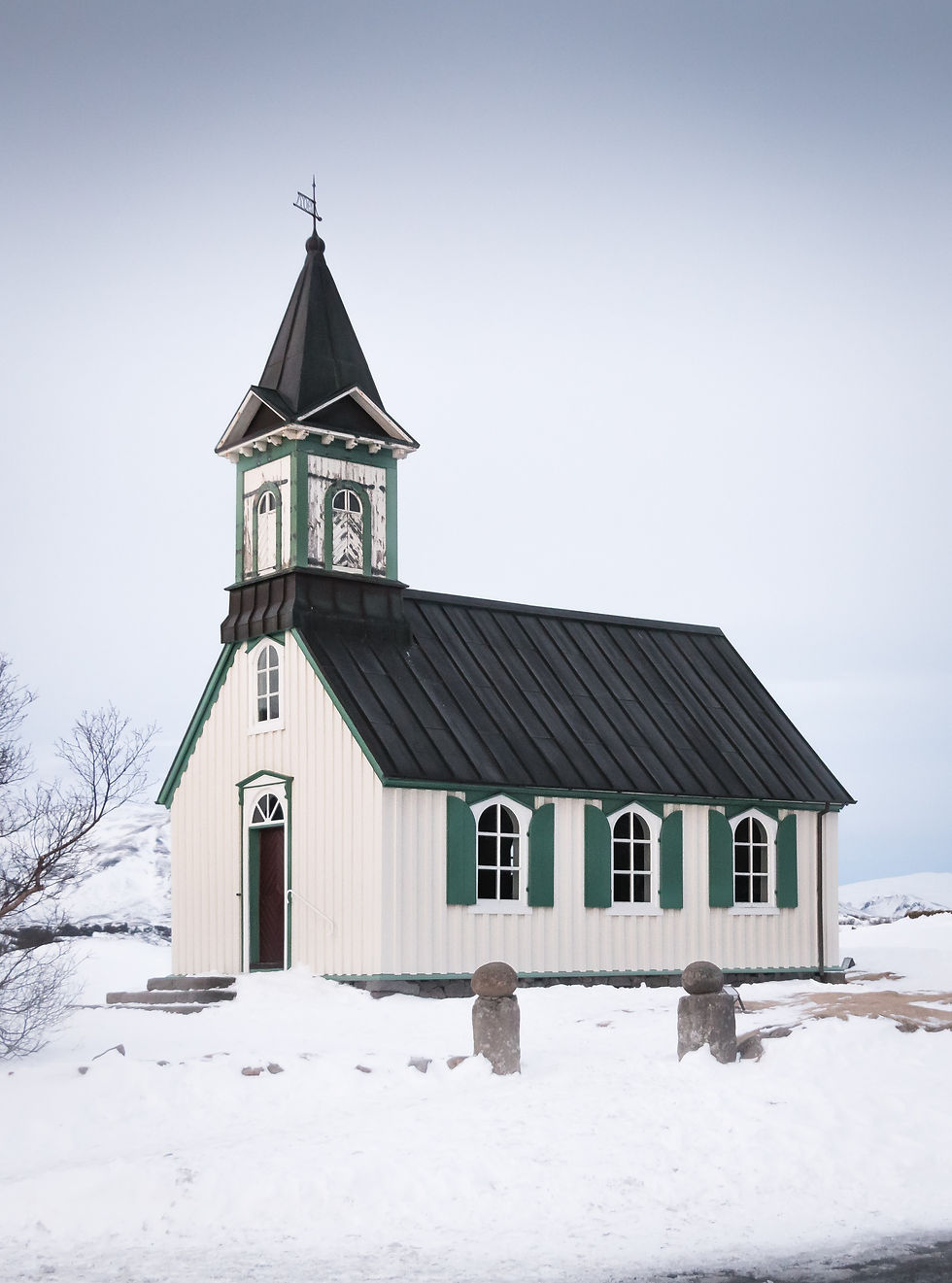
Life in rural America has its charms and challenges. Those who pastor in small towns across the United States recognize the trials inherent to those areas but believe God is working in their congregations and communities.
A Lifeway Research study of pastors in small towns and rural areas identified unique features of ministry in those places. The Center for Rural Ministry at Grove City College, The Rural Home Missionary Association and the Rural Church Institute at the Wheaton College Billy Graham Center sponsored the study.
“While national surveys of Protestant churches include rural churches, there has previously been very few national studies that focus on rural churches,” said Scott McConnell, executive director of Lifeway Research. “These interviews with a probability sample of Protestant pastors provide an overview of ministry realities while also capturing what pastors find rewarding and difficult.”
Most rural church pastors are where they are, not specifically because it is a small town, but because their church happens to be there. Almost 2 in 3 (63%) say they feel called to ministry to their specific church that happens to be in a small town or rural area. Around a quarter (24%) do feel called to rural places. Fewer say they don’t sense a specific calling to ministry in that context (9%) or aren’t sure if they’re called in that way (5%).
Around a quarter of small-town or rural church pastors (24%) feel called to rural places
Small Town Successes
Despite others’ perceptions of their ministries, pastors in rural areas see current ministry wins and are optimistic about the future.
Small-town pastors say success in their context often involves churchgoers making specific applications of their faith. More than 9 in 10 say they consider it a ministry success when they look at their church and see members showing care (98%), broken relationships healed (94%), members consistently present (94%), members stepping into leadership (93%) and new commitments to Jesus Christ (93%).
Slightly fewer also point to becoming a trusted part of the town’s life (88%) and seeing attendance growth at the church (77%).

Most pastors, though perhaps not as many as would like, say they’re regularly experiencing each of these potential signs of success in their churches. Almost all (97%) say it’s a regular occurrence for them to see members showing care, while 90% say they see members consistently present.
Around 4 in 5 rural pastors (83%) say they’re becoming a trusted part of their town’s life. Close to 3 in 4 regularly see members in their congregation stepping into leadership (77%), broken relationships healed (77%) and new commitments to Christ (75%). Two in 3 (66%) say their congregation regularly experiences attendance growth.
“Since most rural communities are not growing, it’s harder for churches there to increase attendance. Yet 3 in 4 pastors still aim for attendance growth,” said McConnell. “Even more rural pastors aim for success in the spiritual growth of their congregations, evidenced by their focus on salvations, care, forgiveness, and serving.”
With these signs of success, it’s no wonder small-town pastors are optimistic. Almost 9 in 10 (88%) expect their church to be stronger in 10 years, including 53% who strongly agree. Just 11% disagree, and 1% aren’t sure.
Attendance and budget also play a role in a pastor’s future expectations. Pastors at churches with fewer than 50 people in attendance are the most likely to disagree that their churches will be stronger in 10 years (24%). Those at churches with a budget of $300,000 or more are the most likely to agree (97%).
“The future outlook of most rural pastors for their churches is more positive than past statistics might support. Clearly, pastors in rural areas are putting their confidence in God’s capabilities rather than widespread trends,” said McConnell.

Small Town Church Challenges
Despite any optimism rural pastors have about the future or current success they’re seeing, they still recognize real issues that confront their ministries and congregations. Three in 5 (60%) say their church is currently challenged by developing and empowering lay leaders. Lifeway Research’s 2022 Greatest Needs of Pastors study found developing leaders and volunteers to be the top need for all U.S. Protestant pastors.
Half of small-town pastors (50%) say their church is struggling with resistance to change right now. Slightly fewer point to people being Christian in name but lacking real transformation (44%) and financial limitations (44%). Around a third (36%) say their congregation is inwardly focused. Around a quarter are facing relational difficulties among people in the congregation (27%) or distrust in the community due to past church mistakes (25%). One in 5 rural pastors (21%) say politics is creating division or given too much importance. Only 7% say none of these are an issue in their church.

“The focus of rural pastors is definitely on the spiritual growth of the individuals in their congregations. Pastors celebrate when they see their congregations showing the impact of Jesus Christ, and they lament when there is less spiritual movement and engagement,” said McConnell.
Rural Area Inspirations
Pastors in more rural areas say many things inspire them to serve in what some consider out-of-the-way places. Many of their inspirations are common across pastors in other areas, but some are unique to or more likely in small-town communities.
Nine in 10 rural pastors say they’re inspired to pastor in this context by seeing someone take a step toward Jesus (95%), seeing the potential to make a difference (92%), getting to preach God’s Word (92%), establishing long-term relationships (91%) and serving in their local community (91%).
Four in 5 say small-town church ministry inspires them because they are present for everyday activities in their community (81%) and they enjoy the pace of rural life (80%). Only 1% said none of these inspired them to pastor in a rural or small town.
“The role of being a pastor is not easy, and pastoring in a rural setting also has its challenges. But rural pastors find great delight in this work,” said McConnell. “Pastors enjoy the role they get to play in their churches and communities but also are inspired by what God does in individuals’ lives.”


Comments